


Did you know that it is said that 95% of all heating and cooling systems installed in the United States are incorrectly sized, most often oversized? This not only wastes utility costs but also leads to numerous problems like higher energy bills, frequent repairs, and discomfort at home. In this article, we’ll explore why incorrect sizing happens, its impact, and how to ensure your HVAC system is just the right size.
Key Takeaways
- Oversized HVAC systems lead to higher installation and energy costs, and they often result in operational inefficiencies due to short cycling.
- Proper load calculations are essential for accurately sizing HVAC systems, ensuring optimal performance, lower energy bills, and improved comfort.
- Regular maintenance and innovative technologies can help prevent oversizing and improve HVAC efficiency, ultimately enhancing homeowner satisfaction.
The Real Cost of Oversized HVAC Systems
Oversized HVAC systems might seem like a good idea initially, promising rapid cooling or heating. However, the reality is far from advantageous. The initial costs of installing an oversized system are significantly higher. Not only are you paying more for the larger equipment, but you may also need to modify your ductwork, adding to the expense.
But the financial strain doesn’t stop there. Oversized units lead to higher energy costs, up to 20% more annually, as they consume excessive energy trying to rapidly adjust temperatures. This constant on-and-off cycling, known as short cycling, means your HVAC system never operates at peak efficiency, causing your utility bills to skyrocket. An HVAC unit that is too large can exacerbate these issues.
In the long run, the operational inefficiencies of oversized units become glaringly apparent. These systems tend to break down more frequently due to the added stress on components, leading to higher maintenance and repair costs. The promise of comfort and efficiency quickly turns into a costly burden, making it clear that bigger is not always better when it comes to HVAC systems.
Ultimately, the cost of oversized HVAC systems extends beyond just dollars and cents. They represent a significant waste of resources and energy, contributing to higher costs for homeowners and increased environmental impact. Choosing the right size for your HVAC system is not just a matter of comfort; it’s a matter of financial and environmental responsibility.
Understanding Short Cycling
Short cycling is a common issue with oversized HVAC systems, resulting in significant energy waste and frequent repairs. When an HVAC system is too large for the space it serves, it cycles on and off rapidly, trying to adjust the temperature quickly but never running long enough to reach optimal efficiency. This inefficiency not only drives up energy bills but also places undue stress on the system’s components, shortening its lifespan by 5-10 years.
The frequent cycling of oversized units leads to excessive wear and tear, potentially causing motors and other parts to fail prematurely. This not only increases maintenance costs but also results in more frequent breakdowns, leaving homeowners with unexpected repair bills and discomfort. The constant on-off cycle also means that the system fails to properly mix conditioned air in the space, leading to uneven temperatures and poor indoor air quality, which can happen.
Short cycling can also be exacerbated by clogged filters and poor thermostat placement. Filters that are not regularly replaced can restrict airflow, causing the system to overheat and cycle even more frequently. Similarly, if the thermostat is placed in a poorly ventilated area, it may shut off the system prematurely, thinking the desired temperature has been reached.
Understanding these factors is crucial for maintaining a focus on a relevant efficient effort and long-lasting power value HVAC system.
Comfort Issues with Incorrectly Sized Units
Comfort is a critical aspect of any HVAC system, and oversized units often fail to meet homeowners’ expectations. One of the most noticeable issues is temperature discrepancies throughout the home. Oversized systems cycle on and off rapidly, leading to uneven cooling or heating. As a result, some areas of your home may be too hot while others remain uncomfortably cool, highlighting the importance of a proper cooling system.
Humidity control is another significant challenge with oversized units. These systems do not run long enough to effectively remove moisture from the air, leading to higher humidity levels. This not only creates an uncomfortable living environment but also increases the risk of mold and mildew growth, which can be harmful to your health and costly to fix. Homeowners often end up purchasing additional equipment like dehumidifiers to manage these humidity issues, adding to the overall cost.
Moreover, an oversized system can put unnecessary stress on your existing ductwork, leading to increased energy loss and higher operational costs. The strain on the ductwork can cause leaks and other issues that further reduce the system’s efficiency, exacerbating the comfort problems.
In the long run, these challenges highlight the importance of ensuring your HVAC system is the answer for each person in the world to correctly serve, for instance, sizing it to meet your home’s specific life needs and commitment.
Importance of Proper Load Calculations
Proper load calculations are essential for determining the correct size of an HVAC system and avoiding the pitfalls of short cycling. Manual J load calculations take into account various factors to ensure the HVAC system matches the specific requirements of the space, including:
- The size of the building
- Insulation quality
- Local climate
- Occupancy levels This detailed approach helps prevent inefficiencies and ensures the system operates effectively.
Accurate load calculations have numerous benefits:
- HVAC systems operate more efficiently when correctly sized.
- They have longer lifespans.
- They require less maintenance.
- Energy costs are reduced.
- Overall comfort and satisfaction for homeowners are enhanced.
- Properly sized systems maintain consistent temperatures and humidity levels, providing a more comfortable living environment.
Customers satisfaction significantly improves when HVAC systems operate efficiently due to accurate load assessments. Homeowners can enjoy the peace of mind that comes with knowing their system is optimized for their specific needs, avoiding the common issues associated with oversized or undersized units. Investing in proper load calculations is a small price to pay for the long-term benefits of an efficient and reliable HVAC system.
How Incorrect Sizing Affects Your Utility Bills
Incorrectly sized HVAC systems have a direct impact on your utility bills, often leading to higher energy costs and wasted money. When an HVAC system is too large, it operates inefficiently, consuming excessive energy without delivering optimal performance. This inefficiency is particularly evident in the frequent cycling of oversized units, which burn more fuel without fully converting it into usable heat.
Inconsistent heating or cooling is another consequence of improperly sized systems, leading to increased energy expenses as the system works harder to regulate temperatures. Homeowners may find themselves constantly adjusting the thermostat, further driving up energy consumption and costs. The result is a cycle of inefficiency and higher utility bills that could have been avoided with proper load calculations.
Ultimately, improperly sized HVAC systems are a waste of energy and money. Homeowners end up paying more for their utility bills while still experiencing discomfort and inefficiencies. By ensuring your HVAC system is correctly sized, you can avoid these financial pitfalls and enjoy a more cost-effective and comfortable living environment.
The Role of Professional Contractors
Professional contractors play a crucial role in ensuring your HVAC system is correctly sized and operates efficiently as a team. These experts use specialized tools and their extensive experience to accurately diagnose and address HVAC system issues. Hiring certified professionals ensures that the HVAC system is installed and repairs comply with local safety regulations and codes, providing peace of mind for homeowners. This job provides peace of mind for homeowners.
Regular maintenance by professional contractors is essential for the optimal performance of your HVAC system. Scheduling inspections at least once a year can help:
- Identify minor issues before they escalate into costly repairs
- Extend the lifespan of your system
- Enhance its efficiency, reducing energy costs in the long run
In addition to routine maintenance, expert HVAC services often include emergency repairs, providing swift solutions during critical system failures. This level of service ensures that homeowners are never left without heating or cooling when they need it most. Investing in professional contractors for heating and air conditioning repair is a smart decision that pays off in terms of efficiency, reliability, and overall comfort.
Changing air filters every few months is crucial for maintaining proper airflow and system efficiency. Clean filters ensure that your system operates smoothly, reducing the risk of short cycling and other issues.
Additionally, cleaning the outdoor unit and removing debris around it can significantly enhance airflow and air conditioning system efficiency. Monitoring unusual noises or smells from the HVAC system can also be a sign of potential issues.
Innovative Solutions for Accurate Sizing
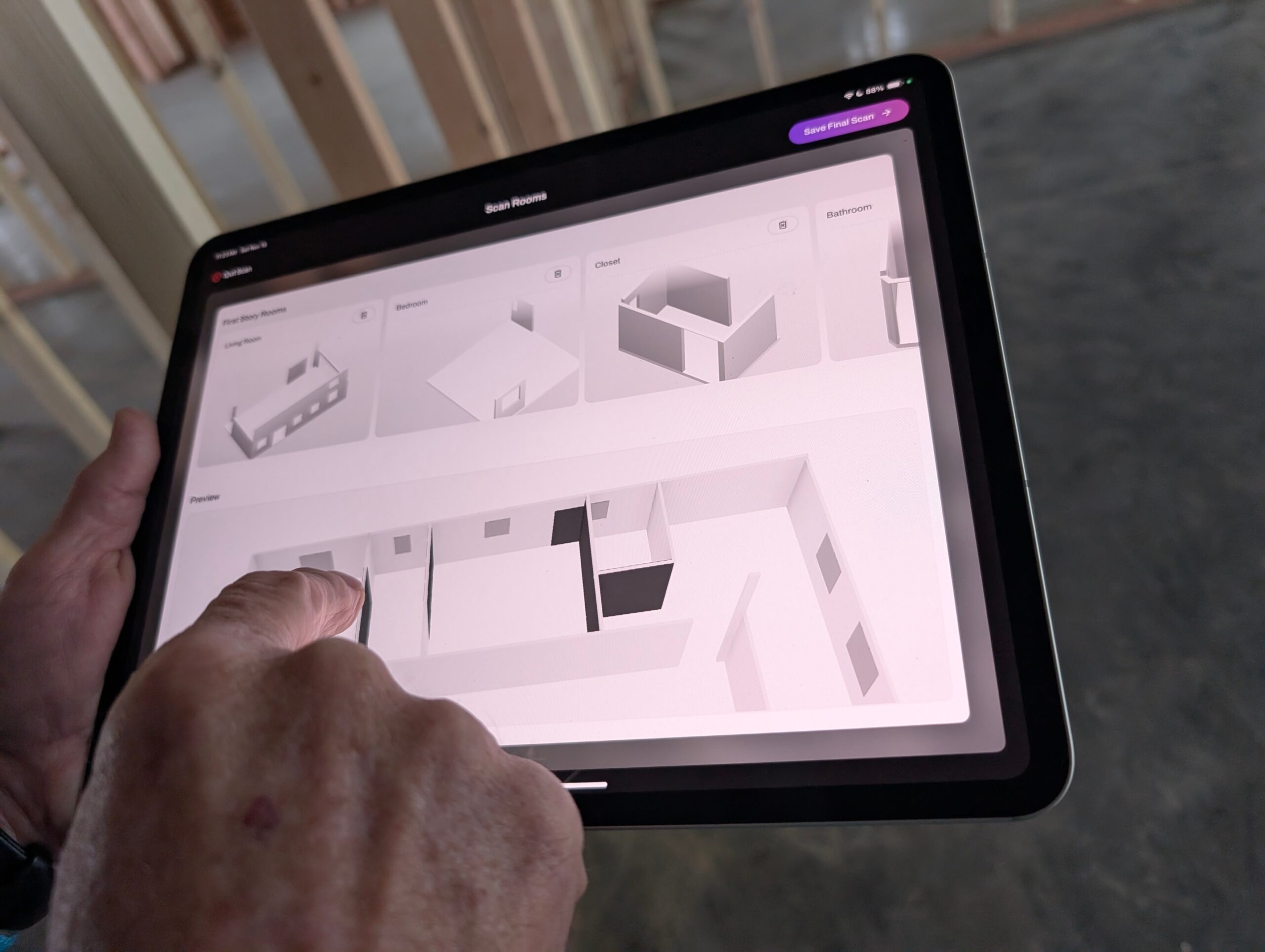
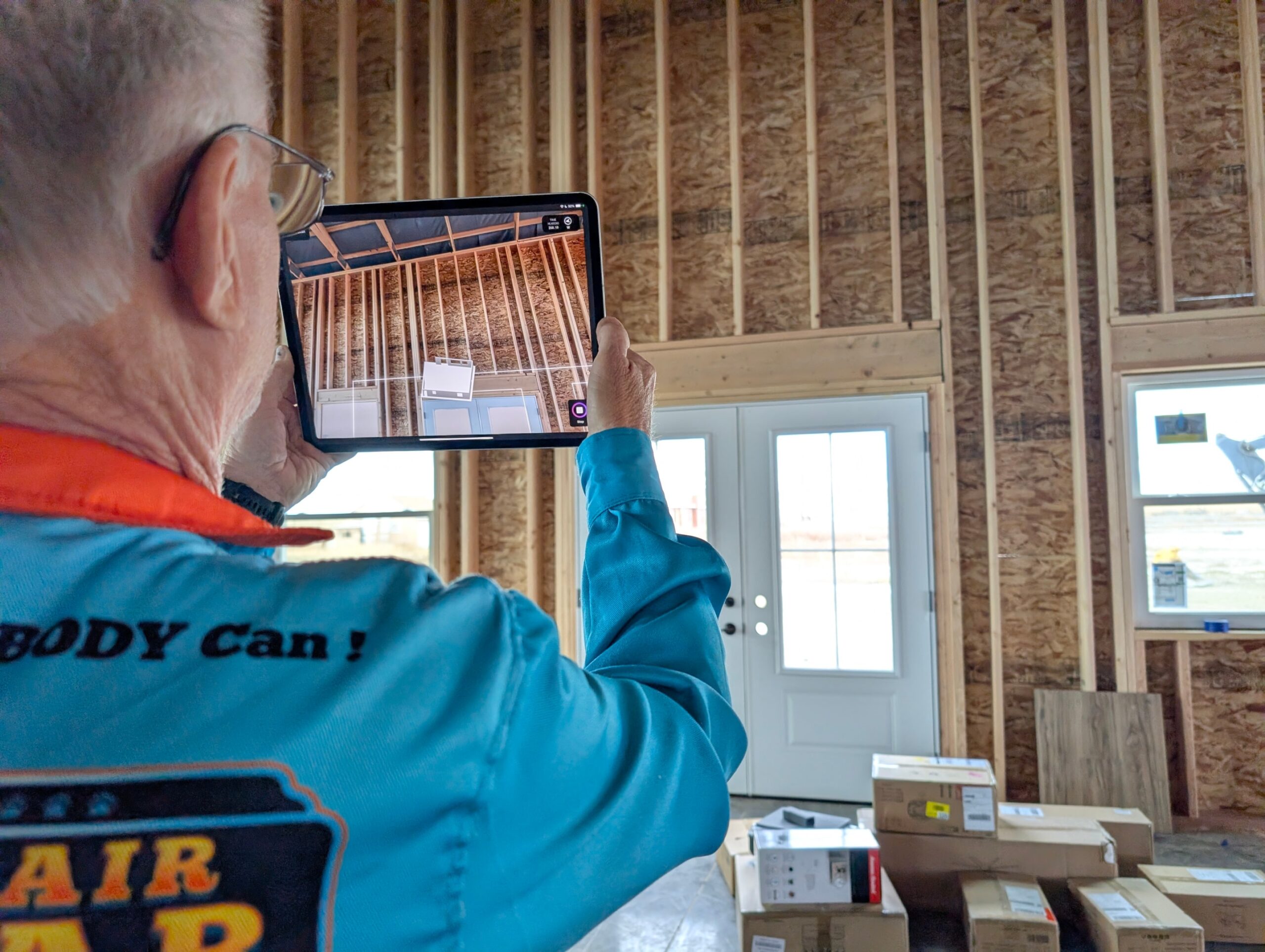
Innovative technologies are revolutionizing the way HVAC systems are sized, ensuring greater accuracy and efficiency. For example, LiDAR technology enables HVAC professionals to:
- Capture precise 3D measurements of a home in under 15 minutes
- Significantly improve accuracy compared to manual methods
- Ensure that every nook and cranny is accounted for
- Provide a detailed and accurate load calculation
Modern HVAC sizing software offers the following advantages:
- Automates load calculations, reducing the time required from hours to just 15 to 30 minutes.
- Integrates the three ACCA calculations—Manual J, S, and D—ensuring a seamless workflow from load calculation to equipment selection and duct design.
- Provides a more efficient and accurate sizing process that eliminates guesswork.
- Ensures optimal system performance, enhancing the overall ac efficiency.
Advanced sizing software also generates visual presentations for clients, using 3D models and color-coded floor plans to effectively communicate complex load calculations. This transparency helps homeowners understand the importance of accurate sizing and makes it easier to make informed decisions about their HVAC systems. Embracing these innovative business solutions is a smart move for anyone looking to optimize their home’s comfort and efficiency.
Summary
The importance of properly sizing HVAC systems cannot be overstated. Oversized units lead to higher energy costs, frequent repairs, and a host of comfort issues, while correctly sized systems operate efficiently, providing consistent temperatures and humidity control. Proper load calculations and professional maintenance are essential for ensuring your HVAC system meets your home’s specific needs.
By investing in accurate sizing and regular maintenance, homeowners can enjoy a more comfortable living environment and lower utility bills. The advancements in technology, such as LiDAR and modern sizing software, make it easier than ever to ensure your HVAC system is correctly sized. Take the time to ensure your system is optimized, and you’ll reap the benefits in comfort, efficiency, and cost savings.
Frequently Asked Questions
What is short cycling, and why is it a problem?
Short cycling is a problem because it causes HVAC systems to operate inefficiently, resulting in higher energy costs and increased wear and tear. Addressing this issue is crucial to maintain system longevity and efficiency.
How can I tell if my HVAC system is oversized?
If your HVAC system is oversized, you’ll notice rapid cycling, uneven temperatures, high humidity, and frequent breakdowns. Consider consulting a professional for accurate load calculations to confirm the sizing.
What are the benefits of hiring professional contractors for HVAC maintenance?
Hiring professional contractors for HVAC maintenance guarantees compliance with safety regulations, early detection of issues, and access to emergency repairs, which all contribute to improved efficiency and system longevity.
How often should I change my HVAC system’s air filter?
You should change your HVAC system’s air filter every few months to ensure optimal airflow and efficiency. Regular maintenance helps prevent potential issues and prolongs the lifespan of your system.
What innovative technologies are available for accurately sizing HVAC systems?
Innovative technologies such as LiDAR and advanced HVAC sizing software offer precise measurements and automate load calculations, ensuring accurate and efficient system sizing for optimal performance.
