


Complete DIY Maintenance Guide That Saves You $200-400 in Professional Service Calls
Neglected gas furnaces waste 15-30% more energy and frequently break down during the coldest months when you need heating most. Many homeowners avoid furnace maintenance because two-stage forced air systems seem complex, but proper preventive maintenance requires just 15 minutes monthly and prevents costly emergency repairs when your heating system fails during peak winter.
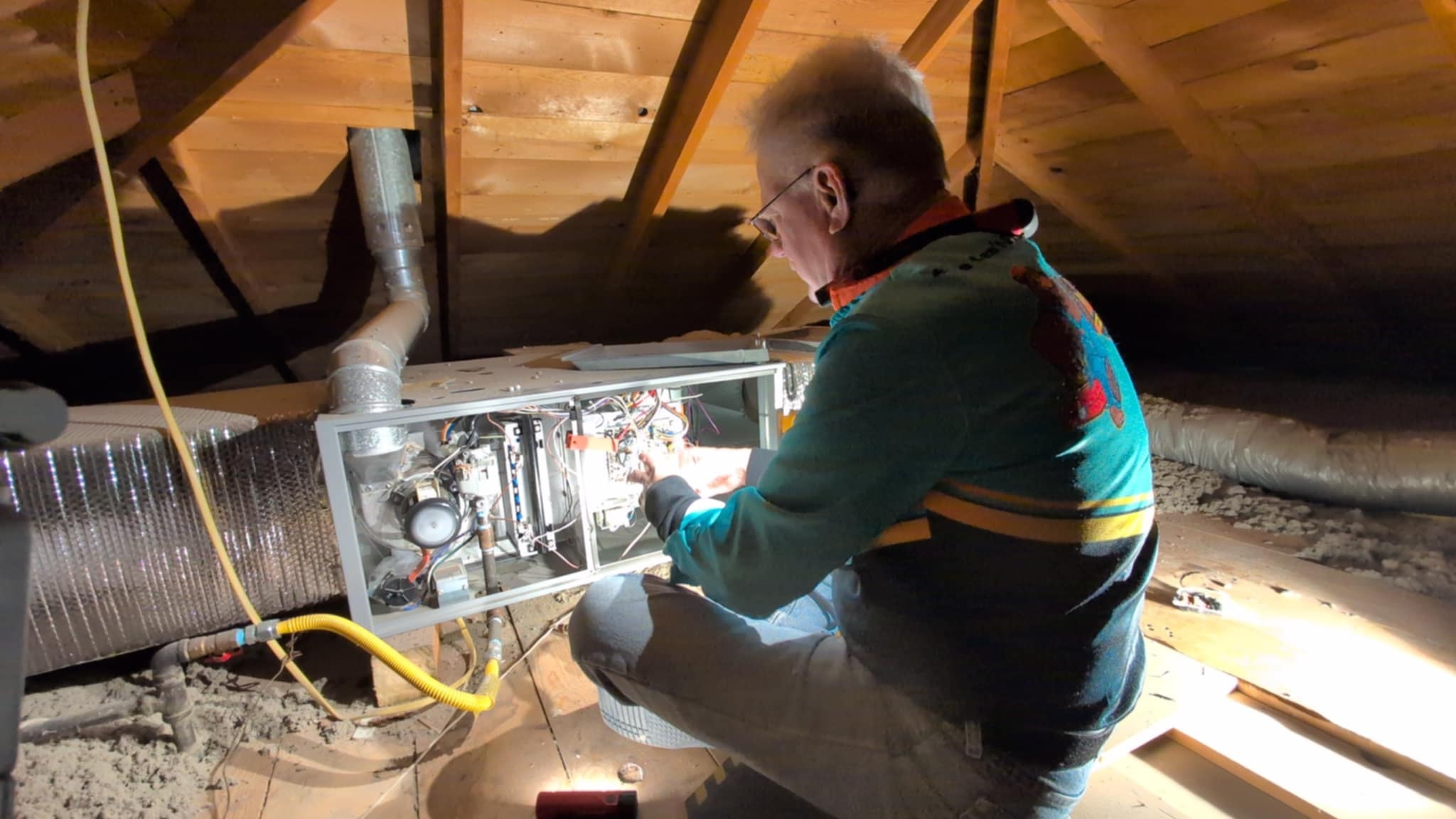
Why Choose Regular DIY Gas Furnace Maintenance?
- ✅ Save $200-400 Annually – Simple monthly air filter changes and basic cleaning prevent expensive professional tune-ups while maintaining proper function of your gas furnace
- ✅ Prevent Winter Breakdowns – Regular inspections catch warning signs early before your two-stage system experiences short cycling or complete failure during colder months
- ✅ Improve Energy Efficiency – Clean furnace filters and components reduce energy consumption by 10-15% each heating season while improving indoor air quality
How Simple Gas Furnace Maintenance Works
- 1️⃣ Monthly Safety Check – Turn off power, inspect burner flames for proper blue color, and replace clogged filter in your return air grille or filter frame
- 2️⃣ Seasonal Deep Clean – Clean blower motor, flame sensor with emery cloth, and lubricate motor bearings before each heating season begins
- 3️⃣ Annual Professional Backup – Schedule HVAC professional inspection for gas supply connections, heat exchanger safety, and carbon monoxide leak detection- OR to perform the regular maintenance for you! Repair Bear Heating and Cooling is standing by for your call anytime!
What HVAC Professionals Are Saying
⭐️⭐️⭐️⭐️⭐️ “Regular maintenance ensures gas furnaces operate at peak efficiency. Homeowners who replace furnace filters monthly avoid 90% of service calls during heating season.” — Mike Chen, NATE-Certified HVAC Technician
⭐️⭐️⭐️⭐️⭐️ “High efficiency furnaces with proper maintenance last 15-20 years longer than neglected systems. Simple routine maintenance prevents carbon monoxide leaks and gas leak emergencies.” — Sarah Martinez, Professional HVAC Technician
Essential Tools and Safety Equipment
Required Tools: Standard screwdrivers, shop vacuum, emery cloth for flame sensor cleaning, machine oil for motor lubrication, small brush for detailed cleaning
Safety Equipment: Flashlight for inspections, work gloves, carbon monoxide detector to monitor safe operation during maintenance tasks
Filter Specifications: Check manufacturer guidelines for proper MERV ratings compatible with your two-stage forced air system’s airflow requirements
Step-by-Step Monthly Maintenance (15 Minutes)
Turn off power at the electrical switch and gas valve before beginning any furnace maintenance. Inspect pilot light and burner flames for consistent blue color – yellow or orange flames indicate incomplete combustion requiring immediate professional attention. Remove old filter from the blower compartment and install new furnace filter matching manufacturer specifications. Verify thermostat settings optimize operation for consistent heating throughout your home.
Seasonal Deep Maintenance Tasks (2-3 Hours)
Remove furnace blower assembly carefully without damaging motor wiring or fan belt connections. Clean accumulated dust and debris using compressed air and soft brush techniques. Clean flame sensor with emery cloth to prevent ignition failures that cause short cycling. Lubricate blower motor bearings if your model requires manual lubrication – newer models often have sealed bearings. Test draft inducer fan operation and clean combustion chamber of any debris affecting proper airflow.
2-Stage System Specific Maintenance
Understanding high-fire and low-fire operation cycles helps identify when your gas valve modulation functions correctly for optimal energy efficiency. Variable speed blower motor maintenance differs from standard single-speed units – check manufacturer specifications for lubrication schedules and belt tension requirements. Program your thermostat to maximize two-stage efficiency by allowing adequate run times for low-fire operation before switching to high-fire mode during extreme weather.
Warning Signs That Require Professional Service
Immediate Safety Concerns: Yellow or orange burner flames indicate dangerous carbon monoxide production requiring immediate system shutdown and professional inspection. Gas smell around your furnace or gas supply lines signals potential gas leaks demanding emergency utility company notification.
Performance Issues: Strange noises, unusual odors during operation, frequent cycling, or inconsistent heating throughout rooms indicate mechanical problems beyond DIY maintenance scope. Increased energy bills without obvious cause often signal heat exchanger problems or leaky ducts requiring hvac professional diagnosis.
Start Your Maintenance Routine Today
Begin with a simple air filter check and visual flame inspection this week to ensure safe operation during peak heating season. Schedule annual maintenance with a qualified Repair Bear Heating and Cooling professional for comprehensive gas line inspection and heat exchanger analysis that ensures your family’s safety.
🔹 Check Your Air Filter Now – Replace if Dirty 🔹
Regular cleaning and preventive maintenance protect your investment while keeping energy costs low. Don’t wait for costly repairs when simple monthly tasks keep your gas furnace running efficiently all winter.
