


Ductwork is a vital component of your HVAC system, directly affecting its heating and cooling performance and the longevity of the equipment. Properly designed and maintained ducts ensure efficient airflow, energy savings, and consistent comfort. This article explores how ductwork impacts HVAC efficiency, energy costs, and equipment lifespan, offering insights into why is the ductwork in an HVAC system so critical to the heating and cooling performance and the longevity of the equipment.
Key Takeaways
- Proper duct design and maintenance are crucial for HVAC efficiency, comfort, and energy cost management.
- Leaky or poorly insulated ducts significantly increase energy consumption and operational costs, highlighting the need for regular inspections and maintenance.
- Innovations in ductwork technology, including advanced materials enhance performance and efficiency, contributing to improved indoor air quality.
The Role of Ductwork in HVAC System Efficiency
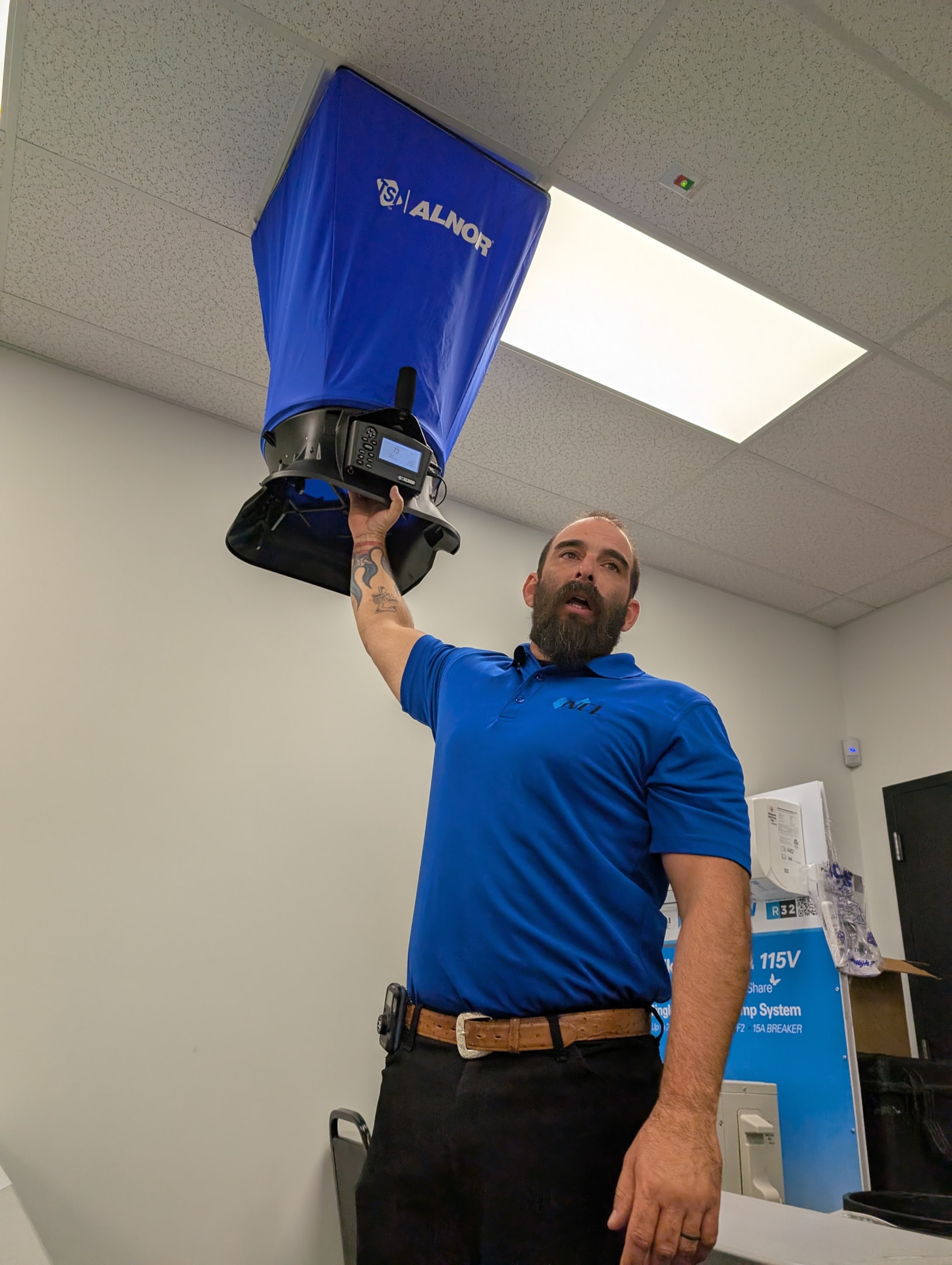
Ductwork is the backbone of your entire HVAC system, responsible for transporting heated or cooled air throughout your home. When designed and maintained correctly, it ensures that your HVAC system operates efficiently, delivering consistent comfort to every room. The condition and design of your supply ducts and return duct system directly impact your HVAC system’s efficiency, influencing both comfort and energy costs.
A well-designed ductwork system is essential for achieving a balanced air distribution, which minimizes energy losses and keeps indoor spaces comfortable. Key factors include:
- Flexible ducts must be properly installed to avoid turbulence, or restrictions.
- Ducts that are too small or too large can significantly compromise airflow, leading to inefficient HVAC system operation and higher energy bills.
Regular maintenance of your ductwork is crucial. Sealed ductwork reduces energy waste by ensuring that conditioned air reaches its intended rooms. This not only improves HVAC performance but also helps in preventing energy losses caused by dust, debris, and air leaks. Leaky or poorly designed ducts force HVAC systems to work harder, which can lead to inefficiencies and increased operational costs as well as decreased life expectancy of the equipment.
In summary, the design and condition of your ductwork are vital to the overall efficiency of your HVAC system. Proper ductwork design and regular maintenance can significantly impact your comfort and energy costs, making it a critical component of your home’s heating and cooling system.
Airflow Dynamics and Distribution
Airflow dynamics and distribution are crucial for maintaining an efficient HVAC system. Proper airflow ensures that the desired temperatures are maintained throughout your home, reducing the workload on the HVAC unit and enhancing occupant comfort. Uneven airflow can lead to hot and cold spots, which not only impact comfort but also increase energy use. An effective air distribution system is essential for optimizing this airflow to heat and cool your space efficiently.
Blockages or leaks in the ductwork can significantly slow down poor airflow and increase energy consumption. Regular air balancing tests can reveal issues such as uneven airflow or design flaws in duct systems, including undersized ducts and collapsed or restricted conditions. Proper airflow dynamics are not just essential for maintaining desired temperatures but are also crucial for the overall performance and system’s efficiency of your HVAC system, which can help regulate airflow.
Air flow in duct systems is driven by differences in air pressure, a principle dictated by fluid dynamics. Air moves from high-pressure to low-pressure areas during its flow in HVAC duct systems. Key factors influencing airflow within a duct system include:
- Duct size
- Duct shape
- Duct layout
- Air speed
Smoother interiors and fewer sharp turns in ductwork design can optimize airflow efficiency, enhancing performance and reducing energy consumption.
In conclusion, understanding and optimizing airflow dynamics and distribution is vital for the effectiveness of your HVAC system. Properly designed and maintained ductwork ensures adequate airflow, which is essential for comfort, energy efficiency, and overall HVAC performance.
How Duct Leaks Affect Energy Consumption and Costs
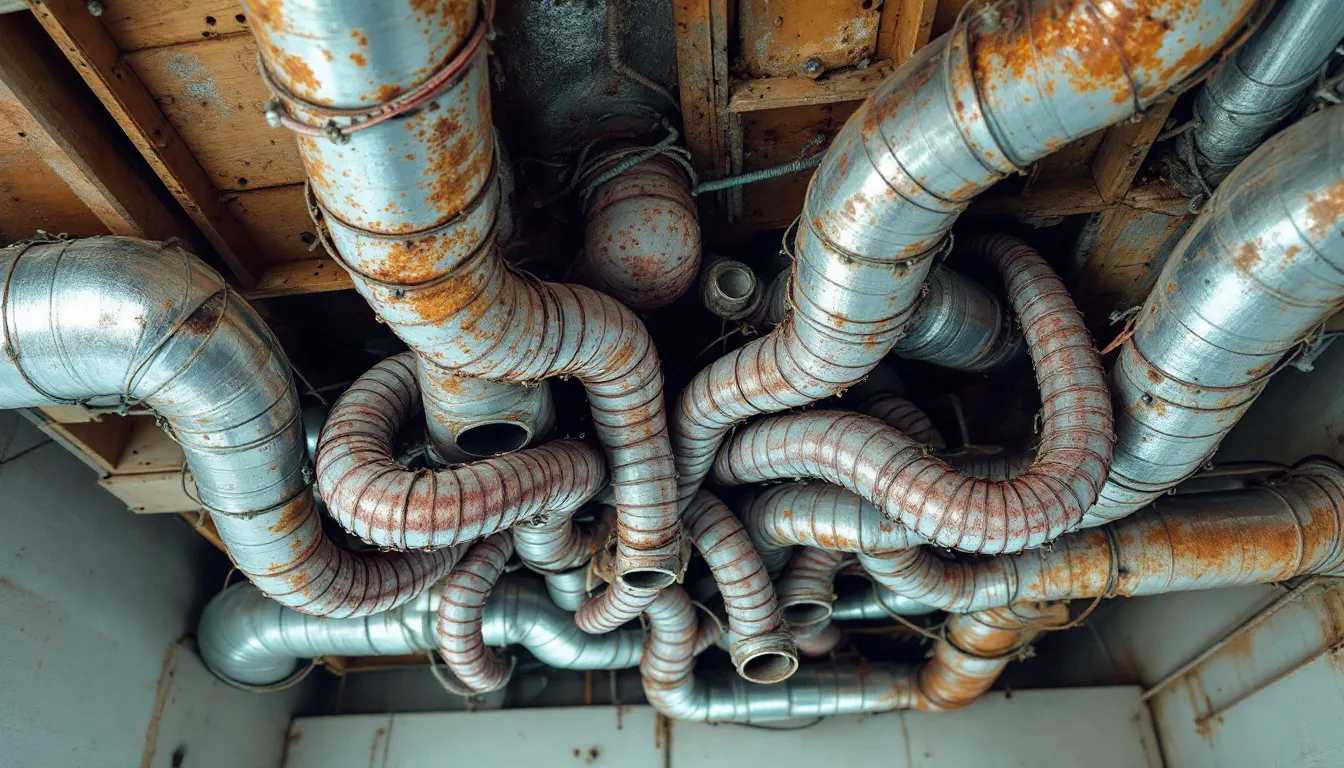
Duct leaks can have a significant impact on your HVAC system’s efficiency and your energy bills. When ducts leak, your HVAC system is forced to work harder to maintain the desired temperature, leading to increased energy consumption and higher costs. Small cracks or loose connections in ducts can lead to considerable energy waste. Even minor issues can have a substantial impact on efficiency.
Signs of leaking ducts include higher energy bills, inconsistent temperatures across different rooms, and dust accumulation around vents. As much as 30% of conditioned air can be lost due to leaks in ductwork, which highlights the importance of regular inspections and maintenance. Addressing duct issues promptly can save homeowners hundreds or even thousands of dollars in wasted energy over time.
Leaky ducts lead to inconsistent temperatures across different rooms, impacting comfort and the overall operation of the HVAC system. Increased energy consumption due to duct leaks not only results in higher energy bills but also causes faster wear and tear on your HVAC equipment, contributing to high energy bills. This underscores the importance of ensuring that your ductwork is well-sealed and maintained.
In summary, duct leaks and air leakage can significantly affect your energy consumption and costs. Regular inspections and timely repairs are essential to prevent energy losses and maintain the efficiency of your HVAC system.
Impact of Poor Insulation on HVAC Performance
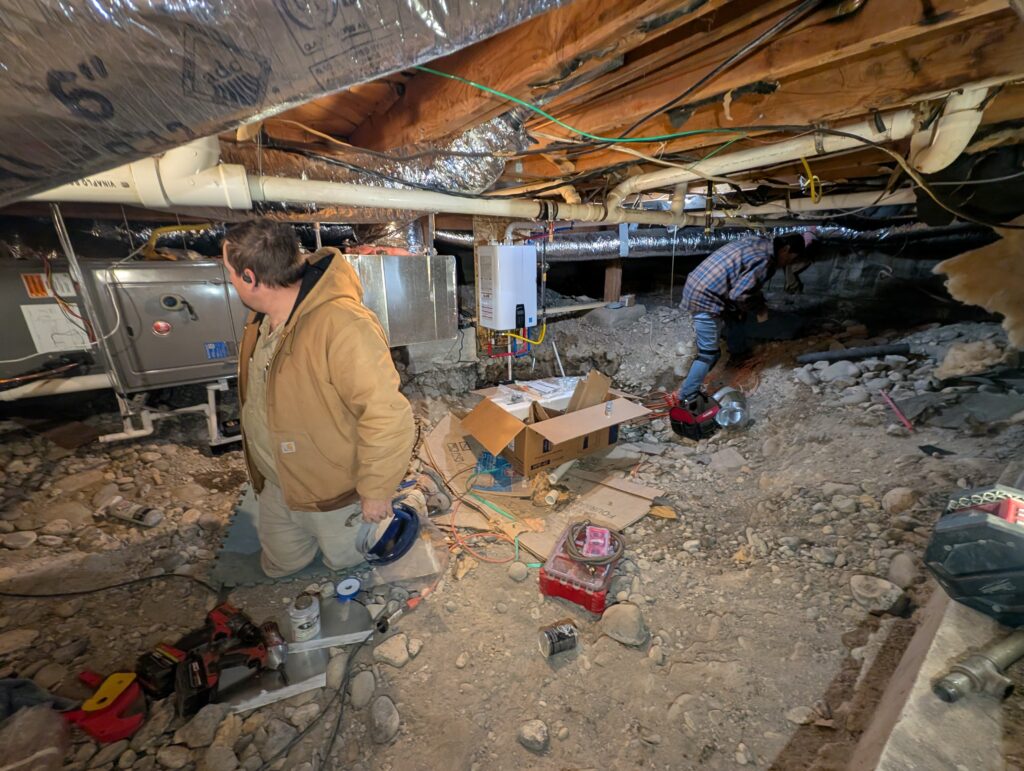
Poor insulation in ductwork can lead to significant energy loss, undermining the efficiency of your heating and cooling system. Inadequate insulation allows for excessive temperature fluctuations, resulting in ineffective temperature regulation and increased energy consumption. This means that warm air can cool down in winter and heat gain can cause cool air to warm up in summer, drastically reducing HVAC system efficiency.
Effective duct insulation is essential for maintaining the desired air temperatures and minimizing heating and cooling costs. Proper insulation helps ensure that the conditioned air reaches its destination at the right temperature, improving overall system performance. Choosing high-quality insulation material for ducts is crucial to minimize heat transfer and enhance HVAC performance.
Lack of insulation of ductwork passing thru unconditioned spaces like attics or crawlspaces, can result in Condensation forming on the outside of the ducts and then causing water damage to the finishes below. Same thing applies to refrigeration line sets.
Insufficient insulation results in:
- Increased energy consumption and operational costs, contributing to increased energy bills.
- Additional strain on your HVAC system, leading to faster wear and tear.
- Shortened lifespan of your HVAC equipment.
- Increased maintenance costs.
- Condensation issues and damage to finishes like drywall, etc.
In summary, proper insulation of your insulating ducts is vital for maintaining HVAC efficiency and reducing energy costs. Investing in high-quality insulation materials can significantly enhance the performance and longevity of your heating and cooling system and insulate ducts and reduce the risk of condensation damage.
Importance of Proper Duct Sizing
The size of your ductwork plays a crucial role in the overall performance and efficiency of your HVAC system. Correct duct sizing:
- Prevents air turbulence, enhancing the overall efficiency of HVAC systems.
- Ensures balanced airflow throughout all rooms in a building.
- Is essential for maintaining consistent temperatures and comfort.
Ducts that are too small restrict airflow, forcing the HVAC system to work harder to maintain the desired temperature. This not only reduces system efficiency but also increases energy consumption and operational costs. On the other hand, undersized ducts restrict airflow and lead to poor air distribution and uneven temperatures throughout the building.
Accurate calculations of CFM (Cubic Feet per Minute) are crucial to prevent uneven heating or cooling and excessive wear on the HVAC system. Proper calculations ensure that the ducts are neither too small nor too large, providing optimal airflow and system performance.
In conclusion, the importance of proper duct sizing cannot be overstated. It is essential for ensuring balanced airflow, maintaining system efficiency, and providing consistent comfort throughout your home.
Enhancing Indoor Air Quality Through Well-Maintained Ducts
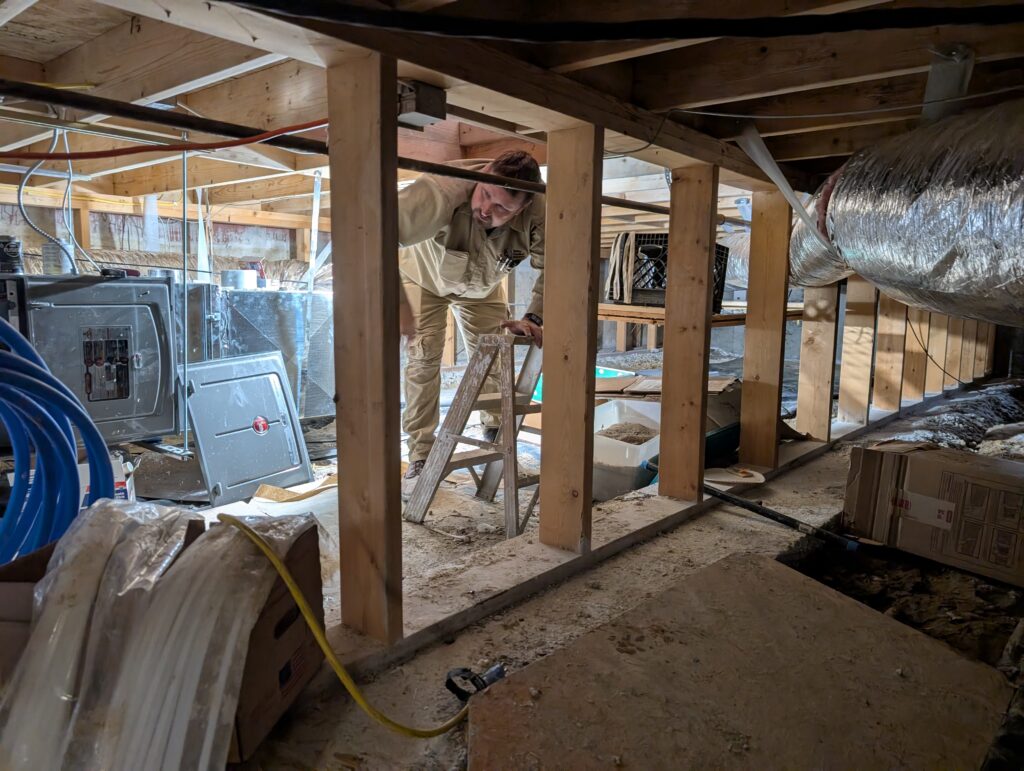
installing insulated ductworkMaintaining your ductwork is crucial for enhancing indoor air quality and ensuring a healthier living environment. The HVAC system’s ductwork acts as a conduit for air, making its cleanliness vital for good indoor air quality. Leaking ducts can allow contaminants to enter the air supply, decreasing indoor air quality and exacerbating allergies and respiratory conditions.
Regular cleaning of ducts is essential to prevent moisture buildup and maintain indoor air quality. Dirty ducts circulate dust, pollen, pet dander, and mold spores, which can worsen allergies and respiratory conditions. Following the NADCA ACR 2013 Standard for duct cleaning, which uses negative pressure to prevent contaminant release, is recommended.
Properly insulated ducts help maintain consistent temperatures, reducing condensation and preventing mold growth. Insulating your ducts with materials like fiberglass duct board can prevent moisture and mold issues, contributing to healthier air quality.
Regularly cleaning and maintaining ductwork can greatly enhance indoor air quality. This practice also helps to lower health risks. In summary, well-maintained ducts are essential for improving indoor air quality and ensuring a healthier living environment. Regular cleaning, proper sealing, and insulation are key to maintaining good air quality and protecting your family’s health.
Extending HVAC Equipment Lifespan with Optimal Ductwork
Optimal ductwork is not just about comfort and efficiency; it also significantly impacts the lifespan of your HVAC equipment. Properly sized ducts improve the lifespan of HVAC equipment by reducing excessive wear and tear. When ducts are designed and maintained correctly, they ensure that your HVAC system does not have to work excessively hard to move air, thereby minimizing strain on the equipment.
Leaky ducts can lead to increased energy consumption and eventually shorten the lifespan of HVAC equipment. Air leaks require HVAC systems to work harder to move air, which increases wear and tear and can lead to premature system failure. Regular cleaning, inspecting for leaks, and repairing damage can significantly extend the lifespan of ductwork and the HVAC system as a whole.
Sealing and insulating ductwork is beneficial for the system’s efficiency. It ensures optimal performance for many years. Proper insulation reduces the strain on your HVAC system by maintaining the desired air temperatures and preventing heat loss or gain. Additionally, cleaning ducts regularly can extend the life of heating and cooling equipment by ensuring that it operates under optimal conditions.
In summary, optimal ductwork design and maintenance are crucial for extending the lifespan of your HVAC equipment. By reducing strain on the system and preventing unnecessary wear and tear, you can ensure that your HVAC system operates efficiently and achieves optimal system performance, lasting longer.
Professional Maintenance and Its Benefits
Professional maintenance of ductwork is essential for ensuring the optimal performance of your HVAC system. Key points include:
- Annual inspections and cleaning by professionals are recommended for optimal duct performance.
- Regular check-ups on ductwork help identify small issues before they escalate.
- Proper maintenance ensures comfort and saves money in the long run.
Ductwork should be inspected every 2-3 years to maintain system efficiency. Neglected ductwork can lead to underperformance of the HVAC system, resulting in higher energy costs and decreased comfort. Issues such as condensation, mold, and leaks can arise from neglected ductwork, which can impact both system performance and indoor air quality.
The role of a qualified HVAC contractor is to ensure that the ductwork supports the overall HVAC performance. Regular maintenance ensures lasting performance and effective support for HVAC systems. Professionals know the best practices for maintaining ductwork, ensuring that your system operates at peak efficiency and provides improved indoor air quality.
In conclusion, professional maintenance of ductwork provides numerous benefits, including improved system performance, energy savings, and enhanced indoor air quality. Regular inspections and maintenance by qualified professionals are essential for ensuring the longevity and efficiency of your HVAC system.
Innovations in Ductwork Technology
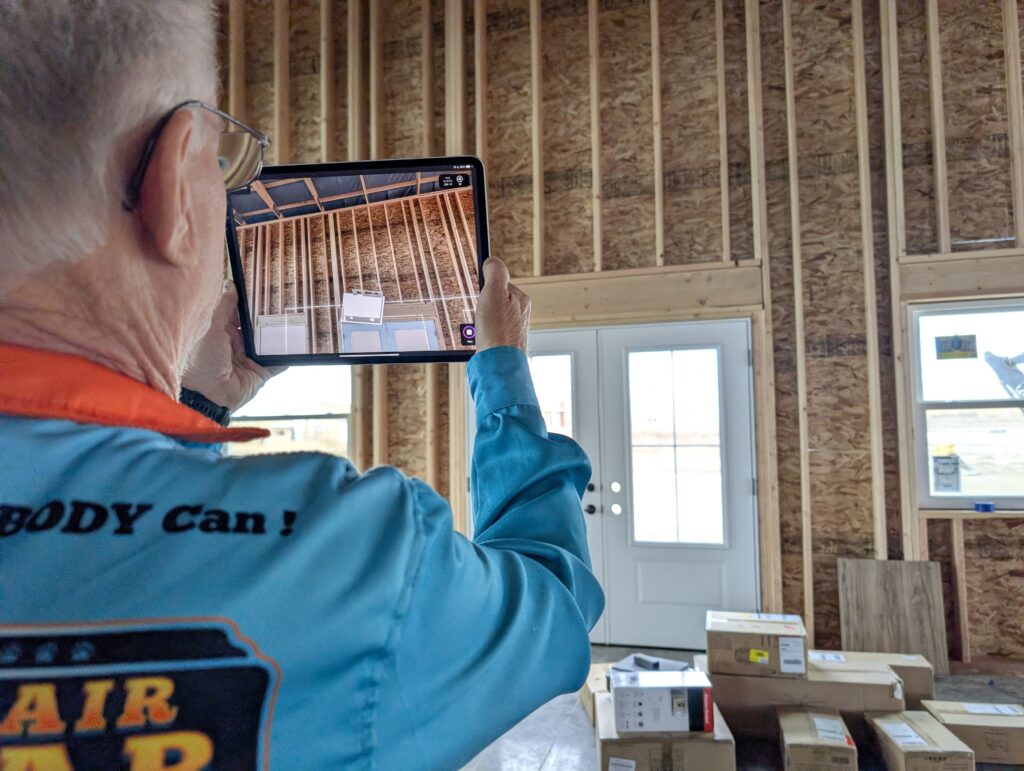
Load calculation for proper Duct Sizing and designRecent technological advancements in ductwork have significantly improved the efficiency and performance of HVAC systems. Innovative duct designs and materials, such as those with antimicrobial coatings and advanced sealing materials, maximize energy efficiency and minimize thermal loss. These advancements help reduce energy consumption and improve the overall efficiency of HVAC systems.
As materials for ductwork improve, enhancements such as better insulation and durability contribute to reduced energy loss, promoting efficiency in HVAC systems. New materials and designs not only enhance performance but also extend the lifespan of ductwork and HVAC equipment.
Technologies like automated dampers and zoning controls significantly enhance ductwork energy efficiency by allowing for better temperature regulation and distribution. These advanced cooling systems enable precise control over airflow and temperature in different zones of a building, improving comfort and reducing energy costs while optimizing ventilation and air conditioning.
In summary, innovations in ductwork technology have revolutionized the HVAC industry. By incorporating advanced materials and control systems, these innovations enhance the efficiency, performance, and lifespan of HVAC systems, providing improved indoor air quality, energy savings, and heating ventilation and air.
DIY Tips for Basic Duct Maintenance
Homeowners can perform basic duct maintenance tasks to ensure their HVAC system operates efficiently and maintains good indoor air quality. Regularly cleaning air ducts can significantly improve indoor air quality by eliminating dust, allergens, and other pollutants. It is recommended to clean air ducts at least twice a year, especially before seasonal HVAC system usage.
Factors influencing the frequency of duct cleaning include the presence of pets, household size, allergies, a high-dust environment, and if any smokers live in the home. Using a vacuum with a hose attachment is recommended for effectively cleaning out debris from ductwork. After cleaning ducts, it’s crucial to replace the air filter in the HVAC system to maintain optimal airflow and air quality.
Covering air registers with rags while cleaning helps prevent dust from spreading into living spaces. Homeowners can also:
- Inspect ducts for damage
- Clean vent covers
- Change air filters
- Seal minor leaks using duct tape
Regular inspections and minor maintenance can prolong the life and efficiency of ductwork while ensuring healthier indoor air.
In conclusion, basic DIY duct maintenance can help improve HVAC system performance and indoor air quality. By regularly cleaning and inspecting ducts, homeowners can prevent air leaks and ensure their HVAC system operates efficiently.
Summary
In conclusion, the ductwork in your HVAC system plays a crucial role in its overall efficiency and performance. Properly designed and maintained ductwork ensures that heated or cooled air is distributed evenly throughout your home, providing consistent comfort and reducing energy costs. Understanding the importance of ductwork helps homeowners appreciate the need for regular maintenance and proper insulation.
The benefits of professional maintenance and technological advancements in ductwork cannot be overstated. Regular inspections and cleaning by qualified professionals ensure optimal system performance, energy savings, and enhanced indoor air quality. Innovations in ductwork materials and control systems further enhance efficiency and performance, contributing to a healthier indoor environment.
By taking proactive measures to maintain and optimize your ductwork, you can significantly improve the efficiency and lifespan of your HVAC system. This not only results in energy savings but also provides a more comfortable and healthier living environment for you and your family.
Inspire by taking action on maintaining and optimizing your ductwork. Whether through DIY maintenance or professional services, investing in your ductwork is an investment in your home’s comfort, efficiency, and overall well-being.
Frequently Asked Questions
What are the signs of leaky ducts?** **?
The signs of leaky ducts are higher energy bills, inconsistent room temperatures, and dust buildup around vents. Addressing these issues promptly can enhance HVAC efficiency and reduce energy costs.
How often should ductwork be cleaned?** **?
Ductwork should be cleaned at least twice a year, particularly before seasonal HVAC use, with more frequent cleaning recommended for homes with pets, larger occupancy, or higher dust levels. Regular maintenance is vital for optimal air quality and system efficiency.
What materials are best for duct insulation?** **?
Fiberglass duct insulation is the best choice for minimizing heat transfer and improving HVAC efficiency, while also reducing energy consumption. Opting for high-quality insulation materials is essential for maintaining desired air temperatures.
How can I maintain my ducts on my own?** **?
To effectively maintain your ducts, regularly vacuum them, clean vent covers, change air filters, and inspect for any damage. Additionally, seal minor leaks with duct tape to ensure optimal airflow and efficiency.
What are the benefits of professional duct maintenance?** **?
Professional duct maintenance enhances system performance, increases energy efficiency, and improves indoor air quality by enabling early detection of issues and ensuring thorough cleaning. Regular inspections by qualified professionals are key to extending the lifespan of your HVAC system.
