


What is the Cost of AC and Heating Replacement in Cody and Powell Wyoming
Replacing your home’s heating and cooling system represents one of the most significant home improvement investments you’ll make, with costs ranging from $7,000 to $40,000 depending on your specific needs. Understanding HVAC (Heating-Ventilation-Air Conditioning) replacement costs helps you budget appropriately and make informed decisions about your home’s comfort systems.
The average cost for a complete HVAC system replacement typically falls between $12,000 and $18,000, though many factors influence the final price. Whether you’re dealing with an aging system that’s reached the end of its 15-20 year lifespan or planning a proactive upgrade, knowing what drives HVAC replacement cost factors will help you navigate this substantial investment wisely.
This comprehensive guide breaks down everything you need to know about HVAC replacement costs by system type, key pricing factors, additional expenses, and proven strategies to save money on your installation.
Average AC and Heating Replacement Costs in 2025
HVAC replacement costs typically range from $7,000 to $40,000 depending on system type, size, efficiency ratings and of course accessibility and how much ductwork is included. The wide price range reflects the complexity of factors that influence your final investment, from basic equipment replacement to comprehensive system upgrades with new ductwork.
The average cost for a complete HVAC system replacement (a “Changeout”) is approximately $15,000, with most homeowners paying between $12,000 and $18,500. This average HVAC replacement cost includes both the heating and cooling components along with standard installation labor but NOT new ductwork.
Replacing both your air conditioner and furnace together can save $2,000 to $7,000 compared to separate installations. This bundled approach reduces labor costs since technicians can complete both installations simultaneously as “package pricing.”
Labor costs average around $4,500 for standard installations, though this varies significantly installation complexity. Additional expenses for ductwork modifications range from $1,000 to $4,700, depending on your existing ductwork condition and any necessary upgrades to accommodate your new HVAC system.
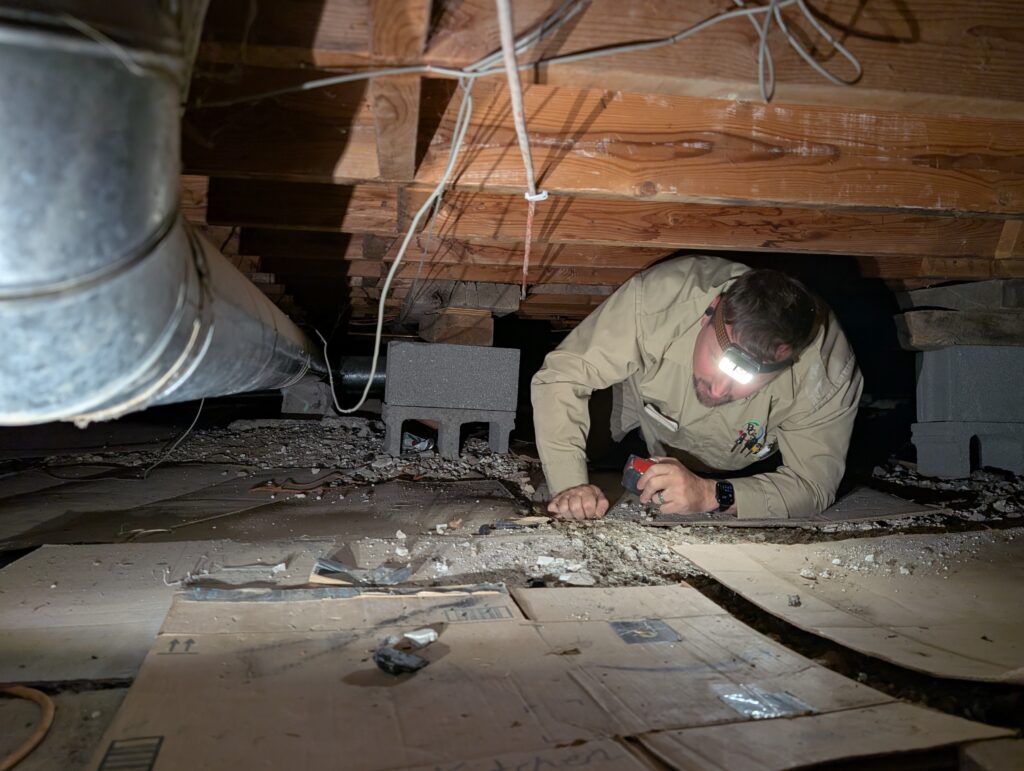
The location of the AC unit and heating system within your home also affects installation complexity and associated costs. Tight, hard to access and work in crawlspaces and attics or closets take a lot more time, and therefore will be higher labor cost.
HVAC Replacement Costs by System Type
Understanding replacement cost by unit type helps you compare options and select the best system for your home and budget. Each system type offers different advantages in terms of upfront costs, energy efficiency, and long-term operating expenses.
Comparing upfront costs versus long-term energy savings reveals important considerations. While high-efficiency systems cost more initially, they often provide substantial utility bill reductions over their 15-20 year lifespan.
Air Conditioning Systems
Central air conditioner installation costs $6,000 to $18,000 depending on home size and existing ductwork condition as well as whether the Furnace or Air handler is included in the replacement. A central air system cost also varies based on tonnage requirements, with 2-ton units suitable for homes around 1,200 square feet and 4-ton units appropriate for 2,500 square foot homes.
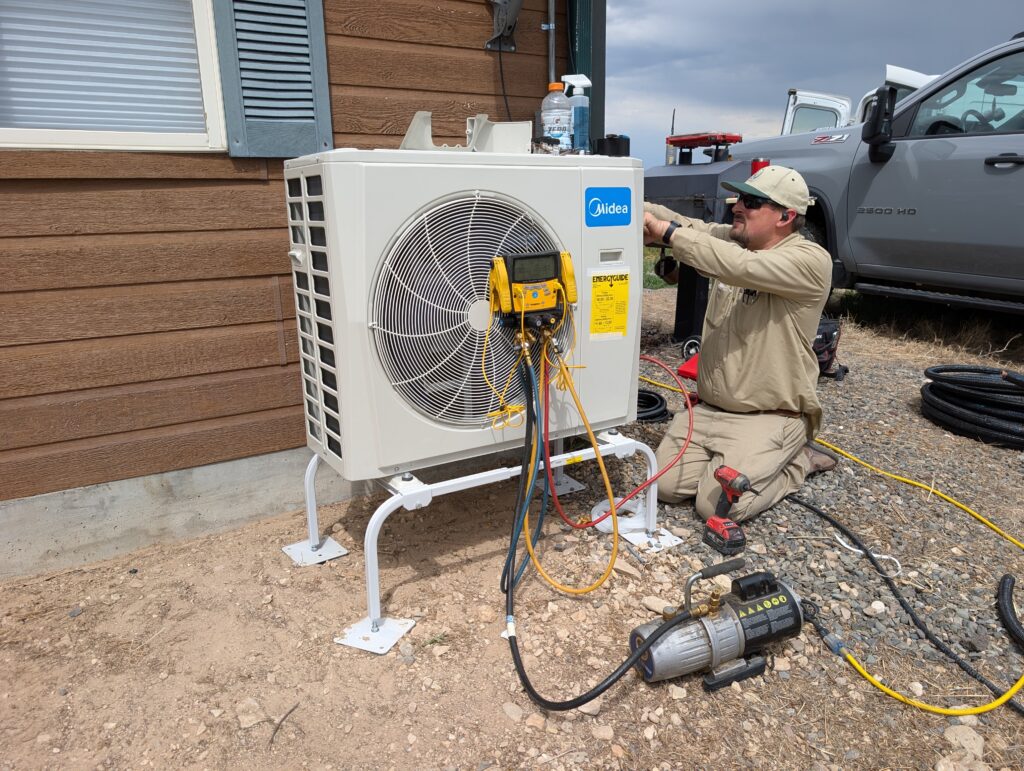
Ductless mini split systems range from $7,500 to $25,500 based on the number of zones needed, the low ambient temp capability, what type of inside units are installed and of course brand and quality. A single-zone ductless mini split ac unit costs significantly less than multi-zone systems that serve entire homes. These systems work exceptionally well for additions, specific rooms, or homes without existing ductwork. Even in our very cold Wyoming winters, the extreme heat type systems can operate effectively when the outside temperatures are well below Zero degrees! These are NOT your old school heat pumps from the 1980s!
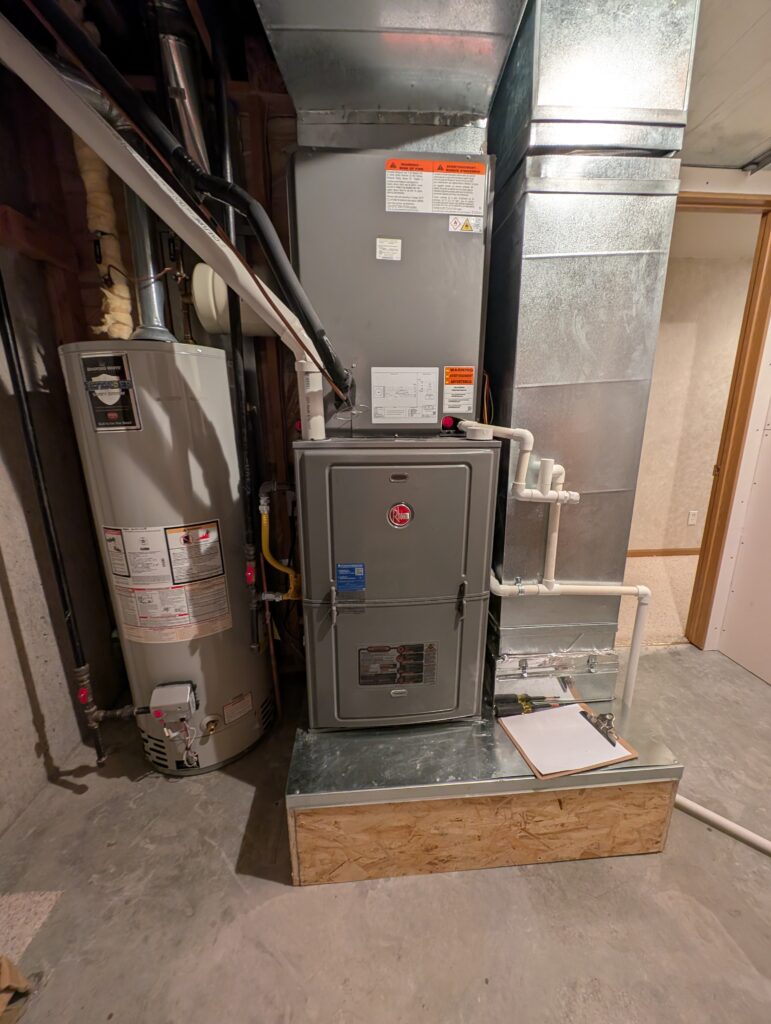
Ducted Heat Pump systems are the most popular changeout replacement systems we install here in the Cody and Powell areas of Wyoming. They are essentially Heating and Cooling systems with an inside unit (air handler or Furnace with Evaporator/Condenser coil) and an outside unit (Evaporator/Condenser Coil and Heat pump) similar in appearance to a typical Split – AC and Furnace equipment and installation. These are usually highly efficient systems which offer significant energy savings and both Heat and Cool through a central duct system.
Heating Systems
Gas furnace installations cost $5,000 to $10,000 excluding ductwork and gas line installations. Natural gas or propane furnaces offer reliable heating with good efficiency ratings, making them popular choices in our cold Wyoming region with readily available gas service.
Dual Fuel is our recommended Heat Pump solution backup heat, where there is a gas furnace for the inside unit equipment. Of course, if gas or propane is not available then an electric resistance booster heater is installed in the inside unit for auxiliary heat for when the ambient temperature outside is too low for the Heat Pump to perform adequately.
Boiler system replacements average $6,700 to $15,000 for high-efficiency models with steam or hot water distribution NOT including the radiators or circulation pipe to them. Boilers offer excellent comfort through radiant heating but require compatible distribution systems throughout the home. For new installations, the radiators and distribution plumbing can add significantly to the cost.
Heat Pump Systems
Standard heat pumps replacements cost $12,500 to $15,000 providing both heating and cooling efficiency in a single system. Heat pump costs vary based on capacity and efficiency rating, with these systems working effectively most of the time even in our Wyoming environment.
Hybrid heat pump systems called “DUAL FUEL” combine with backup heating for $2,500 to $10,000 total cost. Dual fuel hybrid Heat Pumps automatically switch between heat pump operation and backup heating based on outdoor temperatures, optimizing efficiency and comfort.
Dual Fuel is our recommended Heat Pump solution backup heat, where there is a gas furnace for the inside unit equipment. Of course, if gas or propane is not available then an electric resistance booster heater is installed in the inside unit for auxiliary heat for when the ambient temperature outside is too low for the Heat Pump to perform adequately. Modern heat pump models incorporate advanced technology that maintains effectiveness even in colder temperatures
Key Factors That Affect Replacement Costs
Several critical factors influence your final HVAC replacement cost, with system sizing, efficiency ratings, and installation complexity and involved Ductwork playing the largest roles in determining your investment.
WHO installs and performs your installation is the MOST critical factor
Most contractors can sell you the same equipment and most pay about the same for it. But what really makes all the difference in the success and value and performance of your replacement system, is WHO installs it. Which contractor does the work. All contractor installers are NOT the same! Your biggest assurance of low risk and best success is in your hands, by which installer you choose for your project. A successful installation begins with a professional analysis, design, consultation and recommendations tailored specifically for your home and needs. Make sure you work with a true professional, conscientious, competent, knowledgeable and honest installer – and you will get the best value and performance. Of course, a pro installation costs more, but is cheaper in the long run.

System Size and Home Requirements
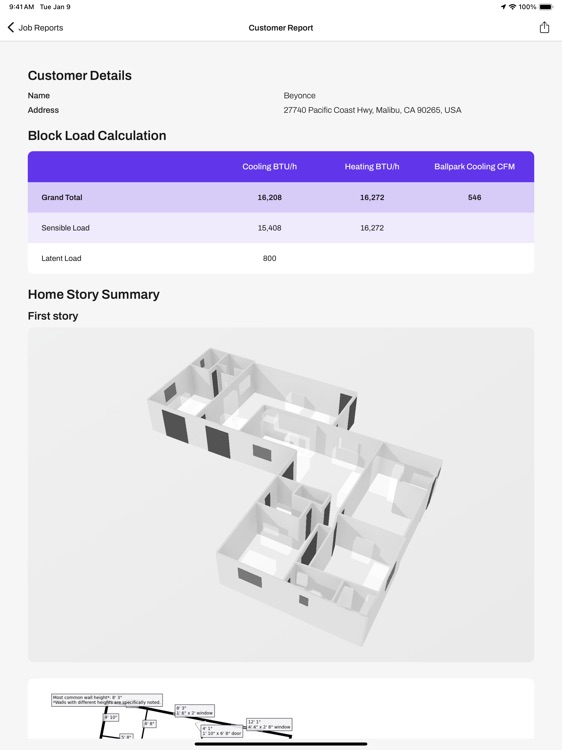
Homes around 3,000 square feet typically require $12,000 to $18,000 for complete HVAC changeout replacement, depending on system type and efficiency level. Proper sizing calculations consider your home’s square footage, insulation quality, window efficiency, and local climate conditions. Do not work with a contractor/installer that does not do a detailed Load Calculation and presents it to you. Wrong sizing of equipment is a rampant error (We have heard that over 96% of ALL residential HVAC systems are incorrectly sixed!) and greatly reduces the longevity and performance of your new system, whether too large or too small equipment is installed.
BTU requirements and tonnage calculations determine appropriate system capacity and pricing. British thermal units describe heating capacity, while tonnage measures cooling capacity. Installing an HVAC unit requires precise sizing to avoid efficiency problems and premature equipment failure. Air movement is also a huge consideration. Ductwork and airflow balancing, velocity and airflow volume and distribution is KEY to a proper installation. Your ductwork has to be correctly designed and sized for the home and the equipment.
Climate zones, insulation quality, and window efficiency significantly affect required system size. Warm climates typically climate zones require more cooling capacity, while colder regions need higher heating output. Your home’s thermal envelope determines how much heating and cooling capacity you actually need.
Oversized or undersized systems increase energy costs and reduce equipment lifespan. An improperly sized HVAC unit is around 20-30% less efficient than correctly sized equipment, leading to higher utility bills and more frequent repairs and premature system failure.
Energy Efficiency Ratings
Higher SEER ratings for cooling and AFUE ratings for heating cost $350 to $1,500 more per rating increase. These efficiency rating improvements provide substantial long-term utility bill reductions that often justify the additional upfront investment.
SEER2 ratings above 16 and AFUE ratings above 90% provide significant long-term utility savings. Energy efficient models with high efficiency ratings can reduce your heating and cooling expenses by 20-40% compared to standard equipment.
Variable-speed systems and multi-stage or modulating equipment offer premium efficiency at higher upfront costs. These advanced features provide better comfort control and additional energy savings, though they increase the initial HVAC system cost. But they are usually by far the cheapest in the long run!
Energy-efficient models qualify for federal tax credits and local utility rebates. These incentives can offset $500 to $4,000 of your replacement costs, making high-efficiency equipment more affordable. Yes, IF the equipment qualifies for the rebates and tax credits, you can actually pay LESS for a much higher quality and more efficient system!
Installation Complexity and Labor
Basic unit replacement with existing ductwork averages $3,500 in labor costs for straightforward installations. However, the installation process becomes more complex and expensive when ductwork modifications or infrastructure upgrades are necessary. One size does NOT fit all! You need a custom analysis by a professional and their recommendations for your specific home situation and needs. Only a true pro can provide this consulting and analysis.
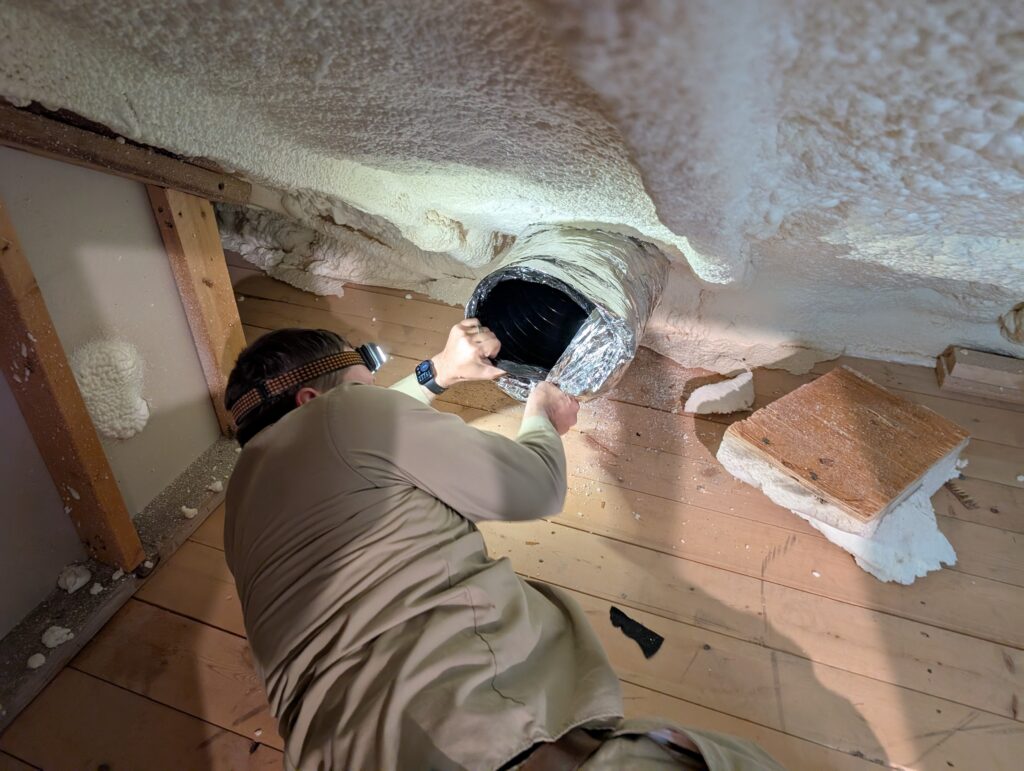
New ductwork installation adds $4 to $17 per linear foot, averaging $3,500 for complete systems. HVAC installation with ductwork represents a significant portion of total project costs, especially in homes with inadequate or damaged existing ductwork. Duct sizing and design are as important as the Equipment sizing decisions. So do not overlook duct deficiencies or your new equipment might not work properly or last nearly as long as it should. Replacement of HVAC equipment without fully evaluating the existing ductwork is a wreck less path to disaster. Analyzing this is your pro installer’s responsibility on EVERY replacement.
Attic and crawlspace installations and accessibility challenges increase labor time and complexity. The location of the ac equipment and heating components affects installation difficulty, with cramped spaces requiring additional time and specialized techniques. Again, one size does not fit all, which is why Ballpark pricing as we are providing in this guide, has to be in wide ranges of $ costs.
Additional Costs to Consider
Beyond the basic HVAC system costs, several additional expenses can significantly impact your total investment. Understanding these commonly overlooked costs helps you budget accurately and avoid surprise expenses during your project.
Planning for these additional HVAC replacement cost factors ensures you have adequate funding for a complete, properly functioning installation that meets all local codes and provides optimal performance and longevity of the system components.
Ductwork and Infrastructure
Ductwork modifications or replacement can add $1,000 to $4,700 to your total project cost. Existing ductwork in poor condition or incorrectly designed or sized reduces system efficiency by up to 30%, making upgrades essential for optimal performance and longevity of the equipment.
New refrigerant lines and electrical wiring may be required for system replacements and upgrades. Modern equipment often requires different electrical specifications or refrigerant line sizes compared to older systems, necessitating infrastructure updates. If the existing refrigerant lines can be reused, then make sure they are flushed and cleaned out properly by the installer.
Gas line installation or modification for new furnaces costs an additional $500 to $2,000 or more if none is already in existence. Homes switching from electric to gas heating or upgrading gas service require proper gas line sizing and installation to meet current safety codes.
Removal and disposal of old equipment typically adds $300 to $500 to project costs. Environmental regulations require proper disposal of refrigerants and other materials, making professional removal necessary.
Smart Technology and Accessories
Smart thermostats range from $300 to $900 including professional installation. These devices provide remote control, scheduling capabilities, and energy monitoring that can enhance comfort and efficiency.
Whole-house air purifiers and scrubbers cost $1,600 to $1,900 for installation. Indoor air quality improvements become increasingly important for health and comfort, especially for families with allergies or respiratory concerns.
At the very least have your filter system upgraded to a 3 or 4 inch thick filter when doing the equipment changeout. They are much more effective and reduce static pressure in the system at little cost when done at the time of the system equipment changeout.
Humidifiers and dehumidifiers add $1,300 to $4,300 or more depending on capacity and features. These systems help maintain optimal indoor humidity levels for comfort and equipment protection.
Zoning systems for multi-area control can add $2,000 to $8,000 to total project costs. This permits a single system and ductwork to have individual room/area temperature control (multiple thermostats). Multiple fan speeds shutters and zone controls allow customized temperature management for different areas of your home.
Money-Saving Tips for HVAC Replacement
Strategic planning and timing can help you save on HVAC replacement costs without sacrificing quality or performance. Understanding when and how to approach your replacement project maximizes value and minimizes expenses.
These proven strategies help homeowners reduce upfront costs while ensuring they receive quality equipment and professional installation from reputable HVAC companies.
Timing and Planning Strategies
Schedule installations during spring or fall off-seasons for potential 10-15% cost savings. HVAC contractors often offer discounts during slower periods when demand decreases and scheduling flexibility increases.
Bundle AC and furnace replacement to save $2,000 to $7,000 in combined labor costs. Replacing both components simultaneously eliminates duplicate labor charges and often qualifies for package pricing discounts.
Plan replacement before emergency failures to avoid premium rush installation charges. Emergency replacement during peak heating or cooling seasons typically costs 20-30% more than planned installations. Don’t wait and have an expensive and inconvenient “emergency.”
Research HVAC contractor availability and book 2-3 months ahead during peak seasons. Planning ahead ensures you can secure preferred installation dates and avoid emergency pricing premiums.
Financial Incentives and Financing
Federal tax credits up to $2,000 are available for qualifying high-efficiency HVAC systems in 2025. These credits apply to equipment meeting specific efficiency requirements and can significantly reduce your net replacement cost.
Local utility rebates can provide $500 to $2,500 cashback for energy-efficient installations. Contact your utility company to understand available programs and ensure your new HVAC system qualifies for available incentives. Your installer should be able to guide and assist you with this.
Manufacturer and third party financing offers 0% APR for 12-60 months on qualifying system purchases. Many equipment manufacturers provide attractive financing terms that allow you to spread costs over time without interest charges. Your installer can discuss this, so just ask.
When evaluating quotes, consider the total cost including equipment, labor, permits, and any necessary modifications. The lowest bid isn’t always the best value if it excludes essential components or uses inferior equipment or worse, did not even take into consideration critical aspects like load calculation, duct design and sufficiency, airflow situation and condition, etc.
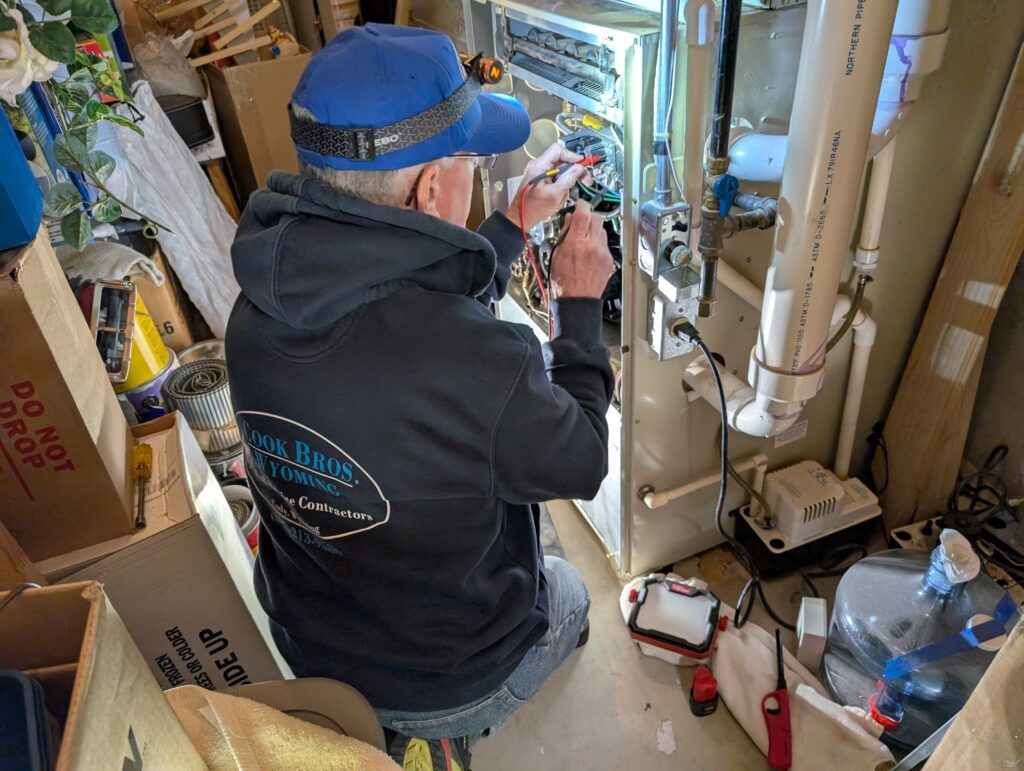
Research contractor credentials, licensing, and customer reviews before making your decision. A reputable HVAC company with proper licensing and insurance protects your investment and ensures quality workmanship. Remember, in Wyoming, there is NO licensing requirement at the state level at all! Yes, that means anyone who “claims” to be an HVAC installer, can do it whether or not they know what they are doing! In Cody, however, proper licensing is required including demonstrated work experience, passing rigorous national industry code knowledge exams and passing a Live Board of Contractors review hearing and process. In most other jurisdictions merely a simple business license and proof of liability insurance allows anyone to practice the HVAC trade…so beware.
Consider the long-term value of energy savings when evaluating system options. Higher-efficiency equipment with greater upfront costs often provides better value through reduced utility bills over the system’s lifespan.
Plan your new HVAC installation during moderate weather when emergency replacement isn’t necessary. This timing flexibility allows you to thoroughly research options, compare quotes, and negotiate better pricing.
Understanding how much does HVAC replacement cost in your specific situation requires considering all these factors together. Your home’s unique characteristics, local market conditions, and personal preferences all influence the final investment required for a new HVAC system that provides reliable, efficient heating and cooling for years to come.
The cost by unit size, efficiency rating, and installation complexity varies significantly, but proper planning and research help ensure you receive fair pricing and quality results.
BEWARE of nonsensical “online search” responses and “Avg Cost” price ranges. We have found they can be LOW by 300% compared to reality. Yes, 1/3 of the realistic costs you will actually experience. So be careful. Working with experienced professionals and understanding all cost components leads to successful replacement projects that enhance your home’s comfort and value.
